In Maya Deren's cinema, a staircase might lead nowhere, a shadow might take on a life of its own, and time seems to obey some private, mysterious rhythm.
Born in Kyiv in 1917, Deren fled with her family to America as a young child, eventually finding her way into New York's avant-garde, where her artistic circles included Marcel Duchamp. Working outside Hollywood in the 1940s, she helped invent a new cinematic language, one in which editing could fracture time, movement could carry meaning, and dreams could unfold with their own peculiar logic.
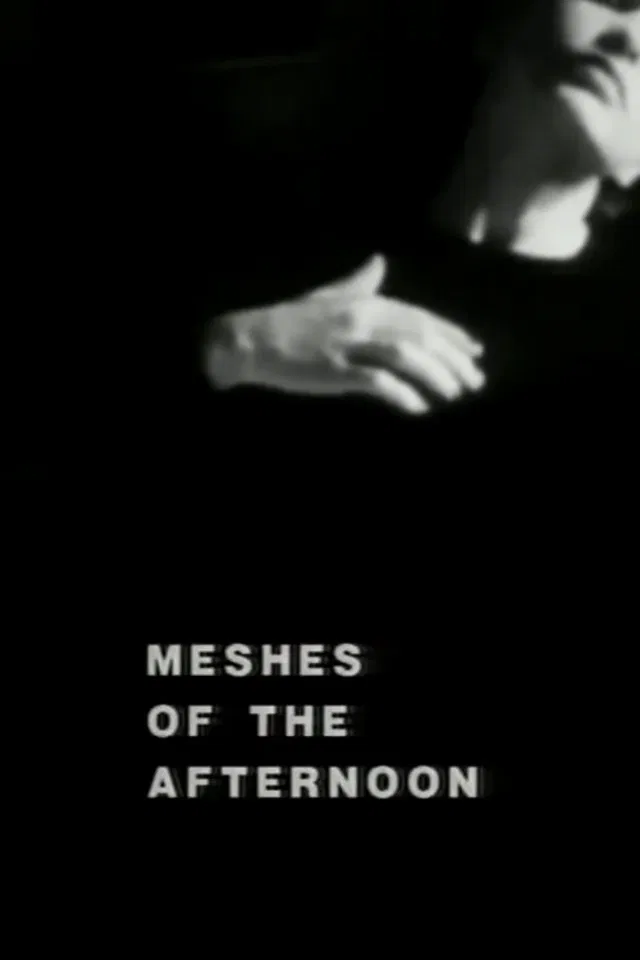
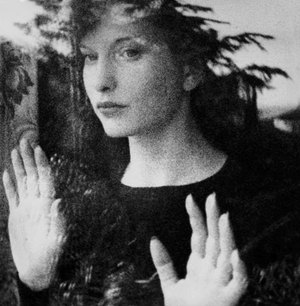
Her landmark film Meshes of the Afternoon, with its looping narratives and uncanny domestic spaces, helped establish experimental cinema as an art form in its own right and anticipated the unsettling dream worlds of filmmakers like David Lynch. Deren understood something that cinema too often forgets: a film need not explain the world to make us feel we've slipped into another one.